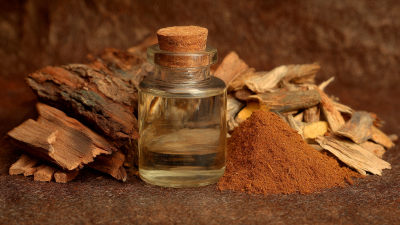
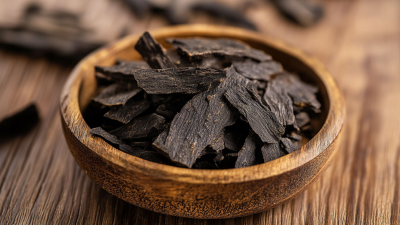
You know, bark extract—stuff taken from--="">="1" data-mce-type="format-caret">the inner or outer bark of all sorts of trees—has really been making waves in the health and wellness world lately. It’s pretty fascinating because of its unique mix of plant compounds that seem to pack a punch. According to a report from Grand View Research, the global market for herbal extracts, including bark-based ones, is projected to hit around $15.4 billion by 2027. That’s largely because more and more people are leaning towards natural remedies and dietary supplements these days. And, hey, lots of research has backed up the health perks of Bark Extracts, like their antioxidant, anti-inflammatory, and antimicrobial powers.
Some specific extracts, like those from willow and cinnamon, actually contain compounds that might help manage those long-term health issues and give your overall wellness a boost. An interesting piece in the Journal of Ethnopharmacology highlights how traditional medicine has used bark extracts for ages, showing that they’ve long been valued for their healing properties. As more folks look for natural options, it’s pretty important for everyone—whether you’re just curious or a healthcare professional—to understand how these extracts actually impact health. The growing research on this stuff really helps legitimize their use today and gets more people comfortable with incorporating bark extracts into their health routines.

What Is Bark Extract?
Bark extract is derived from the outer layer of trees or shrubs and has been utilized in various traditional medicine practices around the world. This natural substance is rich in bioactive compounds, including polyphenols, flavonoids, and tannins, which contribute to its antioxidant and anti-inflammatory properties. The extraction process typically involves techniques like steaming or cold pressing to preserve the beneficial compounds, making the resulting extract versatile for both medicinal and culinary uses.
The potential health benefits of bark extract are numerous. Research suggests that these extracts may support immune function, enhance digestion, and even promote cardiovascular health. Certain types of bark extract have been noted for their ability to help regulate blood sugar levels and lower cholesterol, potentially aiding in the management of metabolic disorders. Additionally, the anti-inflammatory properties of bark extract can contribute to pain relief and improved joint function, making it a popular choice among those seeking natural wellness solutions.
The Sources of Bark Extract: Common Plants and Trees
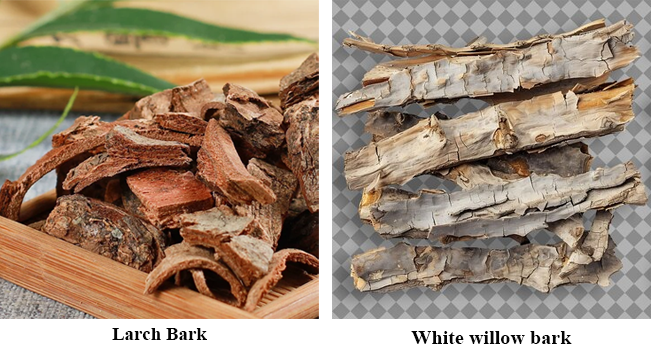
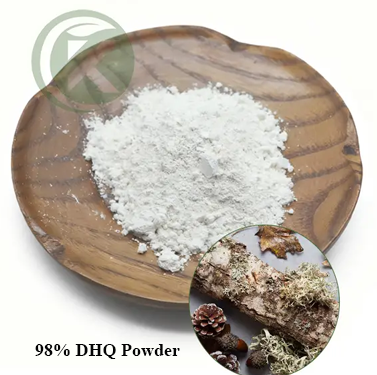 Bark extract is derived from the outer layer of trees and plants, and it has been utilized for centuries in traditional medicine due to its potential health benefits. The sources of bark extract can be traced to various common plants and trees, with some of the most notable being Larch Bark Extract, Birch Bark Extract, Willow Bark Extract, Horse Chestnut Bark Extract. Each of these sources contains unique compounds that contribute to their therapeutic properties. For instance, larch bark is known for its high content of dihydroquercetin, a component that has historically been used as an adjunct treatment for cardiovascular diseases due to its significant antioxidant activity.
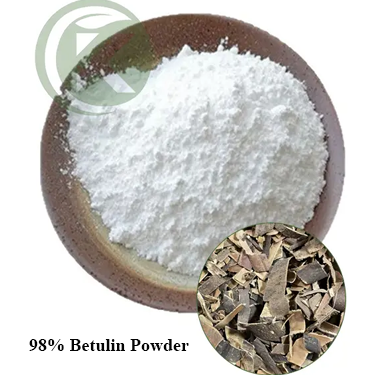
Furthermore, birch bark extract, derived from the outer bark of the birch, has attracted widespread attention due to its significant anti-tumor properties. It is rich in betulin, a lupin-type pentacyclic triterpenoid compound composed of six isoprene molecules. Multiple studies have confirmed its significant efficacy in inducing apoptosis in melanoma cells. A study published in the “Journal of Pre-Clinical and Clinical Research” (2021) confirmed the anticancer properties of Betulin. Betulin showed significant therapeutic effects against melanoma, offering new prospects for treating this most dangerous form of skin cancer. Similarly,Willow bark contains salicin, a natural compound related to aspirin that is utilized for its anti-inflammatory and analgesic properties, as noted by the American Botanical Council, which emphasizes the plant's role in pain management.
These botanical sources of bark extract not only reflect a rich historical tapestry of medicinal use but also underscore a growing body of research supporting their health benefits. As the interest in herbal remedies continues to expand, the exploration of these natural sources, such as bark extract for skin, is likely to deepen, revealing more about their contributions to health and wellness.
Nutritional Profile of Bark Extract: Key Components
Bark extract, derived from various tree species, has gained attention for its potential health benefits due to its rich nutritional profile. Key components found in bark extract include polyphenols, flavonoids, tannins, and essential oils. These compounds contribute to the extract's antioxidant properties, helping to neutralize free radicals in the body and reduce oxidative stress, which is linked to numerous chronic diseases.
In addition to antioxidants, bark extract is often rich in minerals such as calcium, magnesium, and potassium. These minerals play critical roles in maintaining bone health, regulating muscle function, and supporting cardiovascular health. Moreover, certain bark extracts contain anti-inflammatory properties, which may aid in managing conditions such as arthritis and other inflammatory disorders. The combination of these nutrients makes bark extract a promising supplement for enhancing overall wellness and supporting the body’s natural defense mechanisms.
Health Benefits of Bark Extract
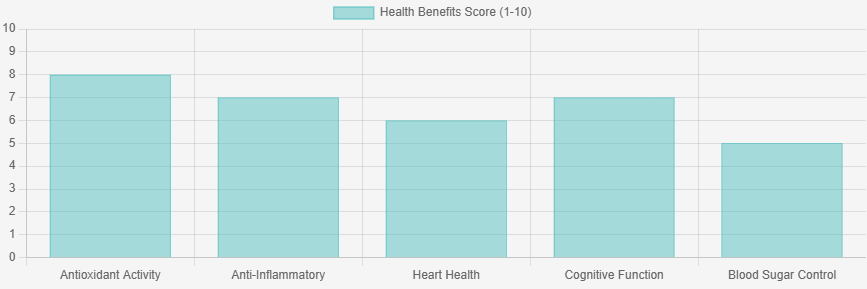
This chart illustrates the various health benefits of bark extract based on a scoring system from 1 to 10. The highest score, 8, is attributed to its antioxidant activity, highlighting its effectiveness in combating oxidative stress. Other benefits include anti-inflammatory properties and support for heart health and cognitive function.
Bark extract, derived from the inner bark of various trees, has gained attention for its significant antioxidant properties that contribute to overall health. Antioxidants play a crucial role in neutralizing free radicals in the body, which can help prevent oxidative stress and reduce the risk of chronic diseases. According to a report by the Journal of Nutritional Biochemistry, certain bark extracts have been shown to contain high levels of polyphenols, compounds known for their ability to scavenge free radicals more effectively than vitamins C and E.
One of the most compelling aspects of bark extract is its potential anti-inflammatory effects. Research published in Phytotherapy Research indicates that specific bark extracts can modulate inflammatory pathways, thus offering protective benefits against conditions like arthritis and heart disease. This modulation is important, as chronic inflammation is often a precursor to numerous health issues, including metabolic disorders. Furthermore, the antioxidant properties of bark extract not only help in protecting cells from damage but also play a significant role in supporting the immune system, making it a valuable addition to a wellness regimen.
Bark Extract and Its Role in Traditional Medicine
Bark extract has been utilized in traditional medicine for centuries, owing to its rich phytochemical profile that offers various health benefits. Many cultures have recognized the value of bark extracts, such as those derived from plants like willow and larch bark. These extracts have been traditionally used to manage pain and various ailments, showcasing their importance in herbal therapies.
In addition to their analgesic and antipyretic properties, bark extracts often contain compounds that support cardiovascular health and improve digestion. For instance, certain bark extracts are known for their anti-inflammatory effects, which can help alleviate symptoms of chronic diseases. Moreover, the antioxidant properties found in these extracts may aid in protecting the body from oxidative stress. The practice of incorporating bark into healing regimens reflects a deep understanding of nature's remedies passed down through generations, highlighting the significance of traditional practices in contemporary health discussions.
Current Research on Bark Extract and Its Health Effects
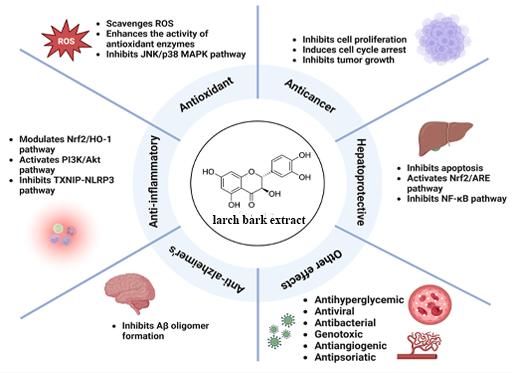
Current research on bark extract has highlighted its potential health benefits, attracting attention from both scientists and health enthusiasts. Various studies have examined the phytochemical constituents found in different types of bark, revealing a rich profile of antioxidants and anti-inflammatory compounds. For instance, compounds like flavonoids and phenolic acids have been identified in several bark extracts, which may help combat oxidative stress and support overall health.
Moreover, beyond its established use in skin health, there is growing evidence supporting the role of bark extract in promoting cardiovascular health. Some research suggests that specific bark extracts may improve blood circulation, lower cholesterol levels, and support healthy blood pressure. This is particularly significant as cardiovascular diseases remain a leading cause of mortality worldwide. Additionally, bark extracts have shown promise in enhancing immune response and providing anti-diabetic benefits, further showcasing their versatile health-promoting properties that extend well beyond dermatological applications. With ongoing studies and clinical trials, the full spectrum of benefits offered by bark extracts continues to unravel, paving the way for their potential inclusion in health-promoting supplements and natural remedies.

What is Bark Extract and What Are Its Health Benefits - Current Research on Bark Extract and Its Health Effects
| Bark Extract | Health Benefits | Active Compounds | Current Research Findings |
| Larch Bark Extract | Antioxidant, support immunity, protect the cardiovascular system | Dihydroquercetin | Clinical studies have shown that it can support immune cell activity and help reduce the risk of catching a cold during flu season. |
| Willow Bark Extract | Pain relief and anti-inflammatory | Salicin, flavonoids | Studies show efficacy comparable to aspirin, but its analgesic and anti-inflammatory effect is milder and slower. |
| Birch Bark Extract | Antioxidant, anti-inflammatory, metabolism-regulating, liver-protecting, anti-tumor | Betulin, Betulinic Acid | Animal studies have shown that its core components can effectively inhibit lipid synthesis pathways and improve obesity, insulin resistance, and atherosclerosis. |
| Horse Chestnut Bark Extract | Improve venous circulation, anti-inflammatory and swelling-reducing, protect blood vessels | Aescin and flavonoids (such as quercetin) | Clinical studies have found that topical application of gels containing aescin can effectively reduce wrinkles around the eyes and bruises and swelling after injury. |
How to Use Bark Extract: Forms and Dosage Recommendations
Bark extract is a natural supplement derived from the inner bark of certain trees. It is praised for its potential health benefits, including anti-inflammatory and antioxidant properties. To reap these benefits, it's essential to understand how to use bark extract appropriately, including its various forms and recommended dosages.
Bark extract is typically available in several forms, such as powders, capsules, tinctures, and liquid extracts. Each form offers different methods for incorporation into your daily routine. Powders can be added to smoothies or yogurt, while capsules provide convenience for those who prefer a quick intake. Tinctures and liquid extracts can be consumed directly or mixed with water, allowing for flexible dosing according to individual needs.
When it comes to dosage, factors such as age, health status, and specific health goals play a significant role. Generally, it is advisable to start with a lower dose and gradually increase it, monitoring your body's response. For most users, a daily intake of 500 mg to 2000 mg of bark extract in supplement form is considered effective, though consulting a healthcare professional for personalized advice is recommended. This ensures safety and maximizes the potential health benefits of bark extract tailored to individual needs.

FAQS
: Bark extract is derived from the outer layer of various trees and plants and has been used in traditional medicine for its potential health benefits.
Common sources of bark extract include Cinchona bark, Slippery Elm, and Willow bark, each known for their distinct therapeutic properties.
Cinchona bark is known for its high quinine content, historically utilized in the treatment of malaria.
Slippery Elm extract has soothing effects on mucous membranes due to its mucilage content, aiding in alleviating gastrointestinal discomfort.
Willow bark contains salicin, which has anti-inflammatory properties and is utilized for pain management.
Bark extracts contain various phytochemicals, including flavonoids and phenolic acids, which may combat oxidative stress and support overall health.
Some studies suggest that specific bark extracts may improve blood circulation, lower cholesterol levels, and support healthy blood pressure.
Yes, bark extracts may enhance immune response and provide anti-diabetic benefits, showcasing their versatile health-promoting properties.
Ongoing studies aim to uncover the full spectrum of benefits offered by bark extracts, paving the way for their inclusion in health-promoting supplements and natural remedies.
As interest in herbal remedies grows, exploration of bark extract sources is likely to deepen, revealing more about their potential contributions to health and wellness.
Conclusion
Bark extract is derived from various plants and trees and is known for its numerous health benefits. It contains a rich nutritional profile, including key components like flavonoids, tannins, and polyphenols, which contribute to its antioxidant properties. These antioxidants help combat oxidative stress, making bark extract valuable for overall health. Traditionally, it has been used in various cultures for its therapeutic effects, underscoring its significance in traditional medicine.
Current research continues to explore the benefits of bark extract, highlighting its potential in promoting well-being. For those interested in incorporating bark extract into their routines, it is available in multiple forms, including powders and tinctures, with dosage recommendations varying based on the product and individual needs. Overall, bark extract presents a natural option for enhancing health through its diverse properties and traditional uses.
Please feel free to contact us via email (natural@kintaibio.com ) if needed!